
Most homeowners look at their deck daily and never truly notice the slow degradation occurring before their eyes. They think it’s normal that the colour has faded. They think it’s expected that certain areas feel rougher than others. And then someone mentions restoration, and suddenly everything that happened over time is recognized. But what’s really different? It’s more than a simple stain up.
The First Thing That Changes is the Surface
The first thing that changes, and to a greater extent than people expect, is at the surface level. After years of warping, the first thing people experience on their deck is a grey fibrous layer, which is rough and might splinter. The reality of this isn’t just cosmetic degradation, it’s dead wood fibre that needs to be removed.
When a professional comes in to perform work, it starts with correct cleaning and preparation to strip down what shouldn’t be there. In fact, what’s beneath this grey layer is surprisingly fresh timber, even sometimes the expected hue. This is the first change, the ability to go back down to something that’s naturally beautiful. This means that the splintering and roughness is no longer there; instead, there’s smooth timber that people enjoy stepping on bare-footed again.
What surprises people? There’s a difference between power washing and restoration preparation. Power washing shoves off surface dirt but doesn’t do anything underneath. Correct restoration preparation uses the right cleaning solvents, substances, appropriate power settings, and maybe even sanding to get down to good timber.
In cases where decks have been thoroughly degraded, professional Deck Restoration Services can handle this preparation work with tools and techniques that do more than make it superficially presentable but actually prepares the timber for treatment.
The Colour Changes (And Why)
When most people think about deck restoration, they think about the colour change. Restoring the good timber hues from grey is drastic. However, it’s one of the last things that happen; it only remains if everything beneath it is done correctly.
What goes in is penetrating oil and protective treatments that soak into the timber. These substances aren’t applied merely to sit but instead, are absorbed and penetrated into the wood fibres for effective treatment from within. This is why some treatments work for years while others fail after a season, because if proper preparation is done beforehand, there are ways for these protective substances to actually do their job.
The colour itself serves a purpose beyond aesthetics. Good quality timber stains have UV inhibitors that prevent sun damage prematurely. They also help repel moisture intrusion, which protects against rot and warping. So, when a deck goes from weathered grey or white to warm brown tones, it not only provides it with visual appeal but also layering capabilities to protect against weathering.
Structural Issues Are Addressed (Or Revealed)
This is where restoration does its best work and often fails to hide things that would otherwise go unnoticed. When professionals finish stripping down what’s on the outside and beneath old coatings from prior restorations, it’s easier to see what’s wrong in terms of boards, fixings, and stubborn timber surfaces.
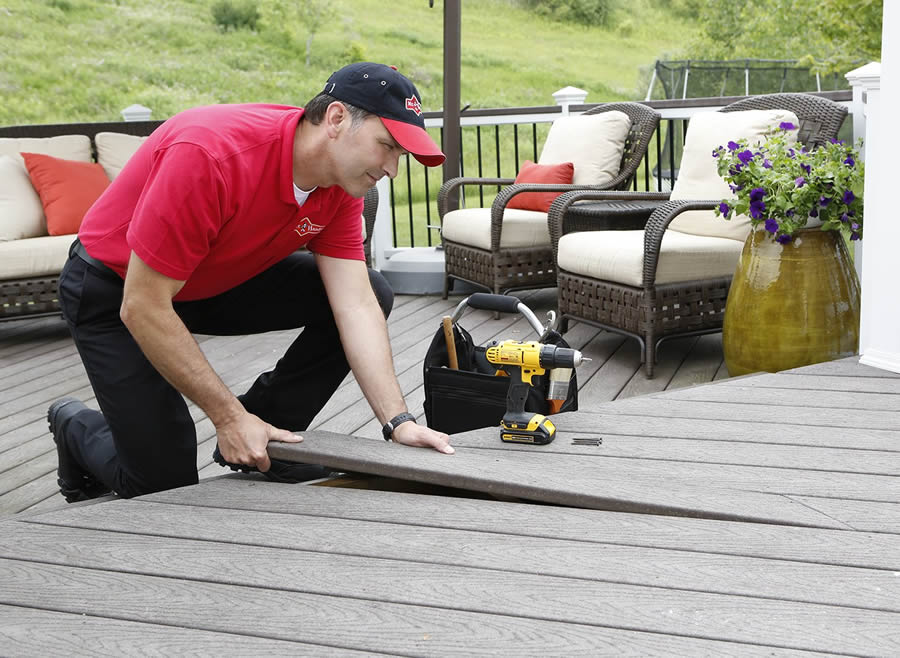
Good restoration work doesn’t mean it covers over boards that are in bad shape but rather replaces them when necessary. Loose fixings are secured or replaced while damaged areas with wood that show early signs of rot either get treated or cut out. Therefore, restored boards not only look good, they are good.
Sometimes other boards get replaced; sometimes good fixings go in instead of bad fixings; sometimes boards with significant damage become so when the restoration was just supposed to be cosmetic repairs. But it’s much better to discover these items during scheduled maintenance than when someone steps through a board that’s rotted out from underneath them. The before and after of these scenarios significantly improves aesthetics for safety purposes.
The Water Behaviors Change Completely
One of the most noticeable differences occurs when it rains in a before/after scenario. A weathered deck absorbs water like a sponge; the dark wood sits damp for hours, creating ideal situations for mold and rot growth if it lives on any level beneath the deck boards or access point to patio spaces.
After proper restoration, where timbers are treated with appropriate solutions and retooled into positioned frames or existing framework, water behavior drastically changes treatment longevity over time. Treated timber shouldn’t absorb water; rather raindrops bead up like they repel water instead of soaking in and sitting there.
Drip edges allow water to run off into grassy areas or other surfaces instead of persisting on tile or stone access points creating slippery areas. Yet this moisture resistance encourages wood surfaces to dry much sooner. This doesn’t happen overnight; it’s another one of those under-the-surface changes that’s most effective beyond visual appeal.
How Long Changes Last From Before To After
After all that’s said and done, it’s a recovery process that shouldn’t take place again for years, again depending on how well preparation took place and which products used on top/outside/stabilization for timbers treated underneath. If all goes according to plan and a deck receives quality care over time, it shouldn’t need another treatment for at least four years before requiring attention again.
This means the timber won’t stay immaculate forever, the outdoors will always wear down on something, but at a far slower rate, as decks were meant to perform for decades of use before challenging interactions derail great boards into mediocre or even bad boards.
Thus before/after pictures mean better treatment exists over time as opposed to immediately transforming what’s seen in person frequently as cumulative effort takes place again much later down the line—for existence for safety concerns, and without concern for aesthetic appearances at this juncture. The before/after is cumulative over time as appearances are less faded or not splintering, shedding water as appropriate, looking good with water beaded up on good fills instead of having holes where fixings blew out and timbers disappeared into board heaven.
When one decides to handle deck restoration vs leaving well enough alone, they’re addressing a plethora of different levels from appearance value during before stages as opposed to actual resourcing and functionality after efforts in terms of good visual presentation but safety truth behind professional efforts boasting qualities anticipated, and far more behind the scenes, that only good professionals can bring back from depths unimaginable based on current states of deterioration/degradation issues from Mother Nature’s hands over time on valuable outdoor gathering spaces for average homeowners who enjoy their decks daily for social purposes or joys.
